







Search Results for: Oat Milk

A Guide to Choosing Beans for Milk Coffee
Milk coffee, commonly known as milk-based coffee, includes lattes, cappuccinos, Flat Whites, Dirty, and so on. The common feature of these drinks is that espresso and milk are blended together. When choosing beans, you need to consider both the flavor of the espresso itself and how it performs when blended with milk. [more…]

Bean Choices for Latte: From Classic Blends to Fruity Blends
The choice of beans for a latte determines the flavor direction of the final drink. From classic rich blends to fruity blends, different bean types each have their own characteristics when used in a latte. Understanding how different beans perform in a latte gives you a richer range of options when selecting beans. Classic rich blends are the traditional choice for a latte. Front Street Coffee's classic blend is made from [more…]

Choosing High-Value Espresso Blends by Roast Level
The value of an espresso blend lies not only in whether the price is friendly, but also in whether it can consistently produce a cup of coffee that meets everyday expectations. The roast level affects acidity, sweetness, body, and extraction rhythm, and also determines whether the beans are better suited to black coffee or milk coffee. Before buying, getting a clear picture of the roast direction is usually more important than fixating only on the origin. [more…]

How to choose the roast level for espresso beans: espresso and milk coffee each have their own answer
The roast level of espresso beans determines whether the espresso leans closer to fruit juice, caramel, or dark chocolate on the palate, and it also affects how the coffee performs once milk is added. Light, medium, and dark roasts are not inherently superior or inferior to one another—what matters is the texture you want the coffee liquid to have, and whether you usually drink Americano, espresso, or latte. Light [more…]
What roast level should you choose for a latte? Exploring flavors from light to dark roast
The core of a latte is espresso and milk, and the roast level of the beans determines how prominently the coffee comes through in the milk. Light roasts tend to retain livelier acidity and fruity notes, medium roasts easily bring out sweetness and a rounder mouthfeel, while dark roasts lean toward cocoa, nutty, and roasted aromas. If you want to choose with ease, you can first determine whether you want your latte to be more [more…]

How to Choose Coffee Beans for Your Café: Match the Menu and Customer Base by Roast Level
For coffee shops, the roast level directly affects aroma, strength, and how well the coffee is received once it's served. Whether you're making Americanos and lattes for takeaway, or focusing on pour-over and iced coffee, the beans that suit each style are not the same. When choosing beans for your shop, you can treat the roast level as a clear filtering criterion, then combine it with your equipment, menu structure, and your customers' usual drinking [more…]

Commercial Coffee Bean Recommendations: The Brewing Logic from Light to Dark Roasts
The roast level of commercial coffee beans directly influences a cup's aroma profile, mouthfeel weight, and suitable drinks. Light roasts tend to preserve floral and fruity notes, medium roasts commonly show nutty, caramel, and soft sweetness, while dark roasts push cocoa, roast, and heaviness to the forefront. When selecting beans for a shop or home, filtering along these lines is better than simply [more…]

6 Ways to Drink Cold Brew Coffee, Rotate Through Them All Summer
After you've made cold brew coffee, don't rush to drink it straight—though it's already quite refreshing on its own, cold brew is actually a highly versatile base. It has low bitterness, plenty of sweetness, and clean flavors, so it pairs well with anything. With just a little effort, you can whip up an entire summer drink menu. This article rounds up 6 ways to drink cold brew, from simple [more…]
One Pot, Three Personalities: Understanding Roast Levels for Moka Pot Coffee Beans
Coffee brewed in a moka pot is quite strong, and differences in roast level get amplified: light roasts tend to show more fruit acidity and aroma, medium roasts often balance sweetness and body, while dark roasts push cocoa, nut, and roasted notes to the forefront. When choosing beans, first imagine what you want to taste as you lift the cup, then decide which roast level suits you better. [more…]
A can of cold brew: flavor differences from light to dark roast
The home method for cold brew coffee is not complicated; what truly shapes the final style is often the roast level of the coffee beans. Steeped in cold water the same way, light roasts tend to leave bright fruity acidity and aroma, medium roasts come across sweeter and smoother, and dark roasts have pronounced cocoa, nutty notes, and a heavy body. To make a jug of cold brew that suits your taste, [more…]

Choose cold brew coffee beans by roast level, with suitable options from crisp and refreshing to rich and full-bodied
Cold brew amplifies the smoothness of coffee after it enters the mouth, and also makes the bean's sweet aroma last longer. If you want a fresh, fruity flavor, you can start with a light roast; if you prefer a rounded, distinctly sweet taste, a medium roast is easier to adapt to; if you're used to cocoa, nuts, and a heavy mouthfeel, a medium-dark roast will be closer to your daily preference. Filter by roast level [more…]
Choosing beans by roast level for home cold brew—just a simple soak is all it takes
The charm of cold brew coffee lies in the long contact between cold water and coffee grounds, producing a smooth, low-acidity cup that's perfect for summer drinking. You don't need specialized equipment at home—a lidded glass jar, a digital scale, and filter paper or a fine mesh strainer are all it takes. The real key to the result is whether the bean's roast level suits [more…]
On which day after roasting do latte beans taste best?
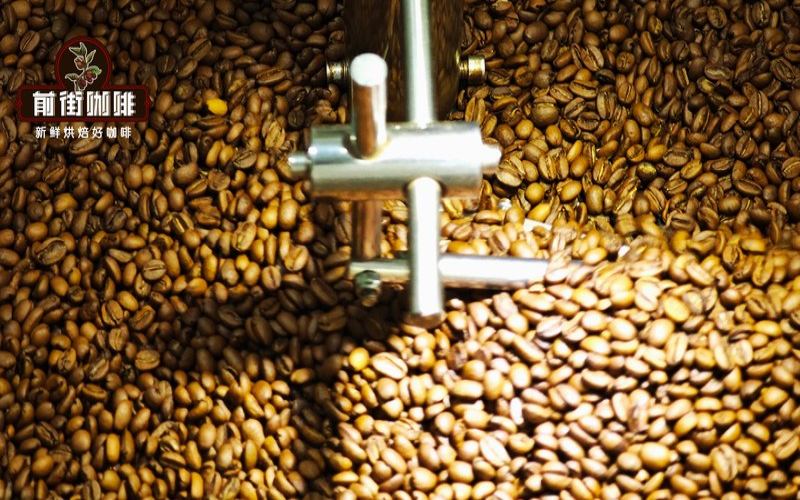
After coffee beans are roasted, the aroma does not reach its ideal state on the same day. The beans are still releasing carbon dioxide, and if they are used to extract espresso too early, the puck is easily disturbed by gas, the flow rate is not stable enough, and the fruity notes and caramel sweetness beneath the milk foam may also seem loose. When making a latte, judging freshness cannot rely only on how recent the date is, [more…]
How to Choose Everyday Espresso Beans: A Flavor Guide from Light to Dark Roast
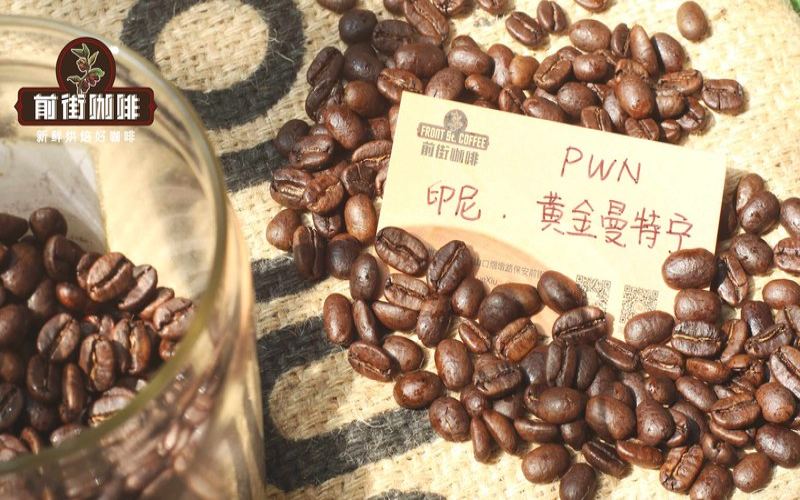
For everyday espresso beans, you don't have to fixate on "strong" or "bitter." The roast level shapes the aroma profile, sweetness, and the body of the espresso, and it also determines whether the coffee can hold its own once water, ice, or milk is added. If you want your daily coffee to be easy to drink, you can start by looking at light, medium, medium-dark, and dark roasts. [more…]
Moka Pot Oiliness Bean Selection Guide: How to Choose from Light to Dark Roast
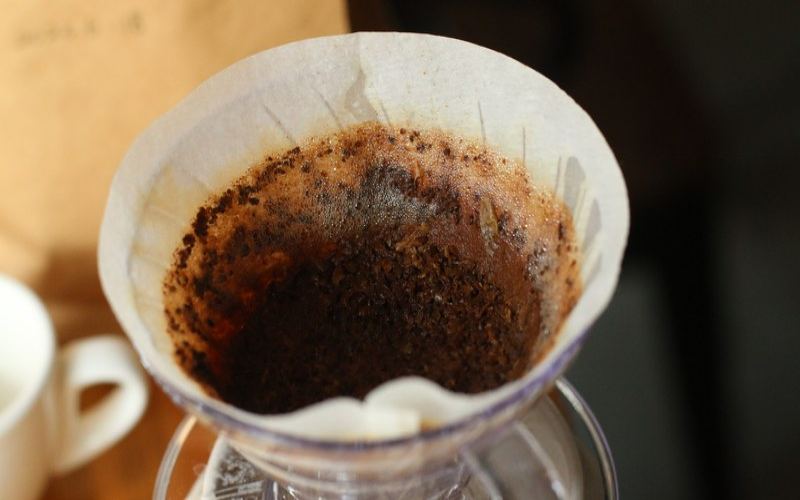
Coffee brewed in a moka pot often has a thin layer of fine bubbles on the surface, and can also carry a noticeable oily richness on the palate, but it is not the same as the espresso crema produced by an espresso machine. To make this body more pronounced, the roast level of the coffee beans is key: the darker the roast, the more concentrated the bittersweet, caramel, and full-bodied notes usually are, and the easier it is to support the moka pot [more…]
How to Choose Beans for Cold Brew Coffee by Roast Level: A Flavor Guide from Light to Dark Roast
Cold brew isn't simply swapping hot coffee for ice water; instead, it lets water pass slowly through the coffee grounds, collecting a concentrated liquid after a longer contact time. The low-temperature environment suppresses sharp acidity but also amplifies the differences in body between beans. Selecting beans by roast level lets you first decide whether you want a crisp fruity aroma, a rounded sweetness, or [more…]

Roast level determines the lightness and richness of cold brew.
The flavor direction of cold brew coffee is closely related to the roast level of the beans. Light-roasted beans, under low temperature and a slow water flow, tend to present floral notes, fruity acidity, and a bright sweetness; medium-roasted beans have a rounder mouthfeel and are suitable for making smooth, easy-drinking iced coffee; dark-roasted beans bring cocoa, nut, and caramel notes to the forefront, making them suitable for those who prefer a heavy [more…]

Moka Pot Bold Aroma Beans: When to Open the Bag After Roasting for the Best Aroma
Roasted coffee beans are not at their most aromatic the sooner they are brewed. Although freshly roasted beans smell intense, they retain a relatively high level of carbon dioxide inside. When extracted with a moka pot, this can easily cause the coffee bed to degas vigorously, and the brewed coffee may also carry a harsh note. After resting for a period, the gas is slowly released, and aromas such as cocoa, nuts, and caramel become more expansive. [more…]

Choosing Beans for Cold Brew Based on Roast: Finding Fruity Notes, Sweetness, and Body at Low Temperatures
The charm of cold brew coffee lies in how low temperatures and prolonged contact soften the palate: acidity feels less sharp, and bitterness is less likely to dominate your attention. Different roast levels leave different focal points in the final cup: light roasts lean toward bright fruit notes, medium roasts more readily achieve a sweet, well-rounded balance, while dark roasts rely on cocoa, nuts, and a hefty body. [more…]

初次到咖啡馆如何从容点单?咖啡师推荐的入门选择与常见品类全解析
第一次走进咖啡馆,面对菜单上密密麻麻的咖啡名称难免有些不知所措。其实喝咖啡和去餐厅点菜一样平常,完全不必紧张。想喝黑咖啡可以从冰美式入手,偏爱奶咖则拿铁是不出错的选择,喜欢甜味还可以尝试风味拿铁。如果实在拿不定主意,直接向咖啡师描述自己的口味偏好——是否需要牛奶、要不要甜、喝冰的还是热的,他们都会耐心帮忙推荐。本文还整理了一份常见咖啡菜单的解释,从意式浓缩、SOE、美式、拿铁到卡布奇诺、澳白、Dirty、冷萃和手冲,帮你快速了解每款咖啡的特点,下次点单更加从容。 [more…]